20 Days 19 Nights
Daily Tour
20 people
Chinese, English
Your adventure begins in the bustling, low-altitude heart of Sichuan. Settle in, meet your fellow riders, and attend a comprehensive briefing over a welcome dinner. This is the calm before the climb.
We trade pedals for a comfortable vehicle transfer today, winding our way up into the foothills to Kangding. This historic town is the cultural gateway to the Tibetan world and your first night at a significant altitude (2,600m), allowing your body to begin its crucial adaptation.
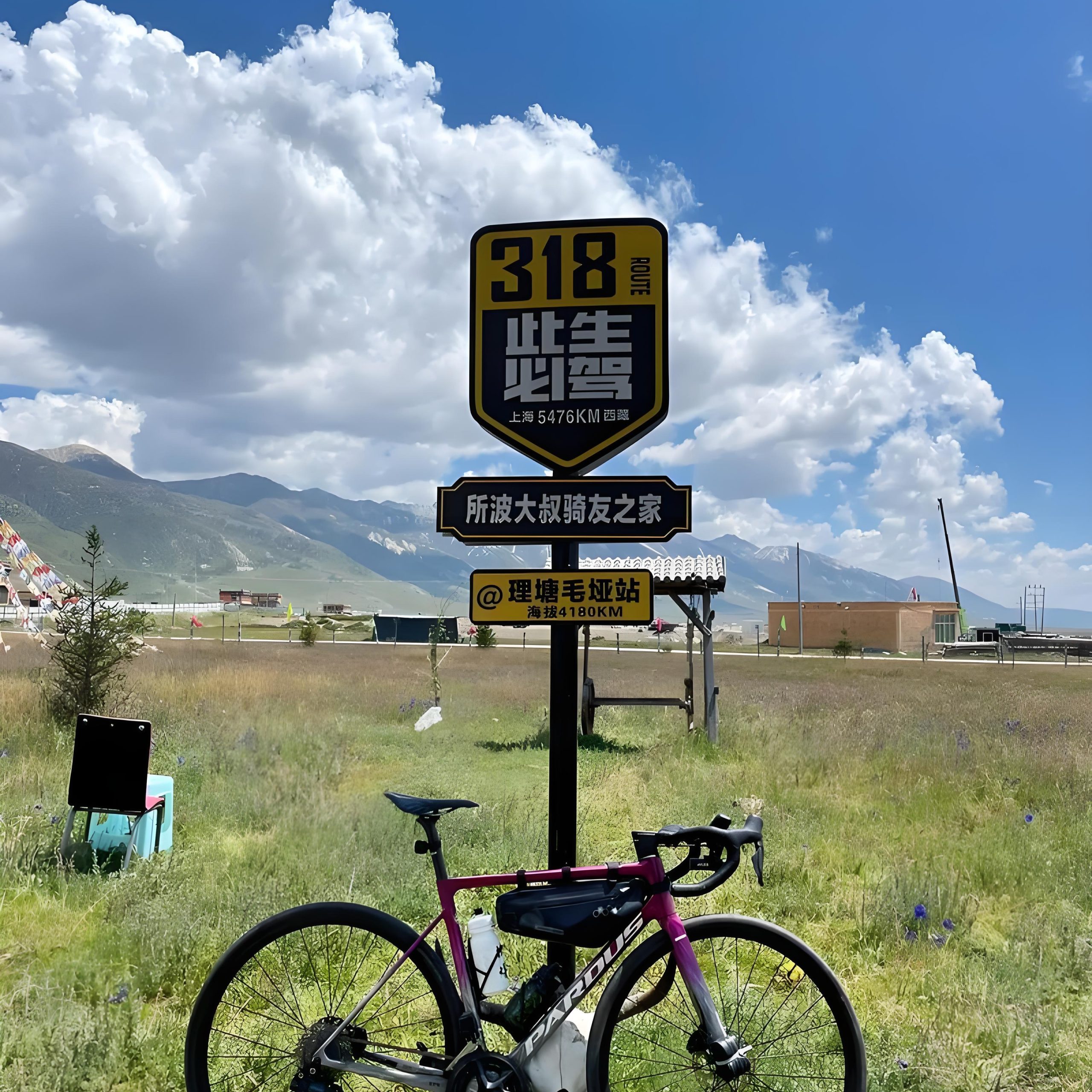
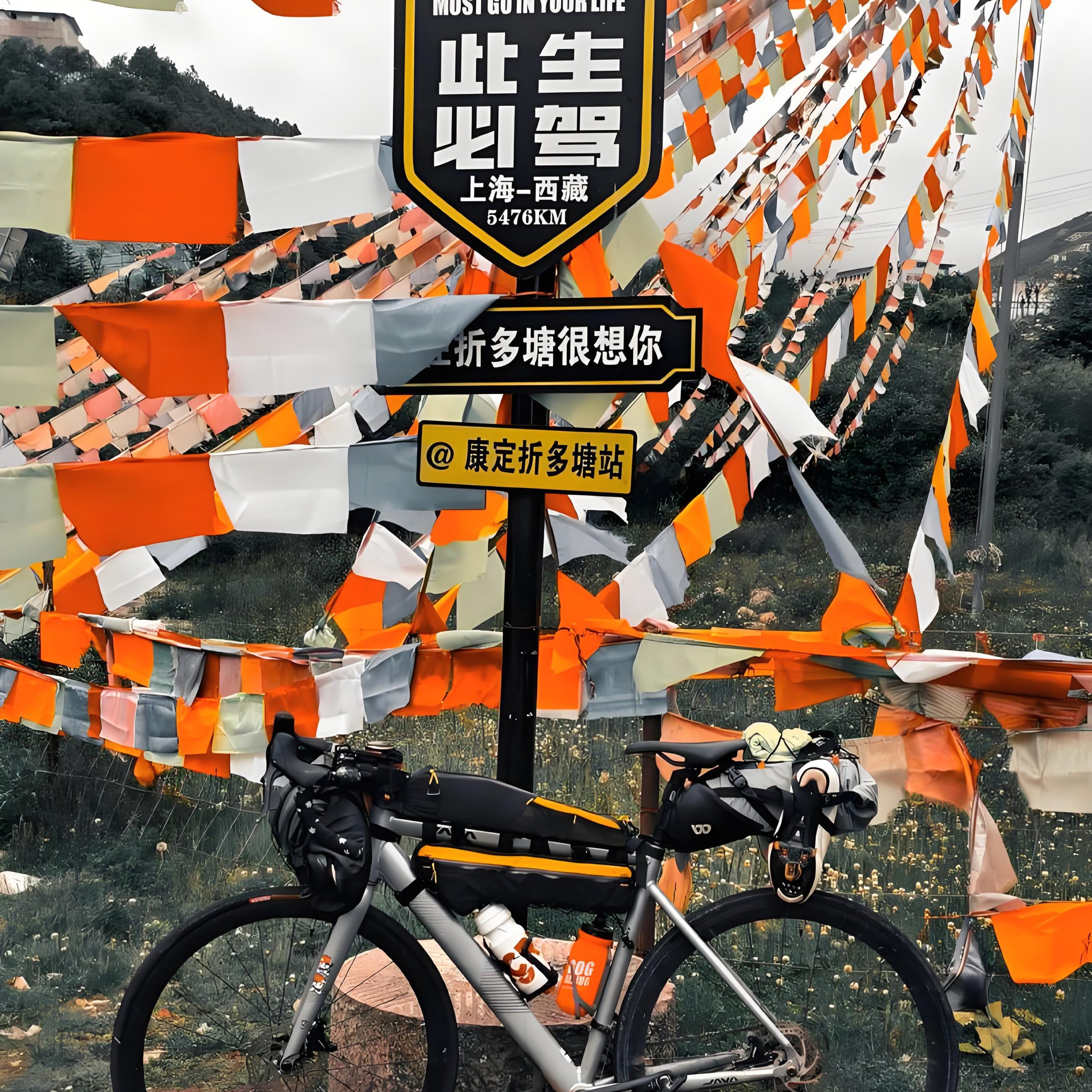
Today, you earn your first major summit. The relentless climb to the peak of Zheduo Mountain Pass (4,298m)is a rite of passage, offering sweeping, panoramic rewards. The long, exhilarating descent delivers you to Xinduqiao, a photographer's paradise of wide valleys and golden light.
After traversing the high Gaoersi Mountain tunnel, you'll enjoy one of the trip's most thrilling descents, plummeting thousands of feet into the narrow, winding river valley of Yajiang.
Prepare for a long, demanding, and profoundly beautiful day. You'll climb steadily onto the vast, open expanse of the Tibetan Plateau, reaching the iconic Litang, one of the world's highest towns at over 4,000 meters. The sense of space and sky is immense.
This is your longest distance day, but the gradient is largely in your favor. Cruise across the Haizi Mountain plateau, past stunning alpine lakes, and follow rolling hills down into the warmer, forested climate of Batang.
Do not underestimate the power of this day. Rest, hydrate, explore the local market, and meticulously prepare your bike. This pause is essential for recovery before crossing the formal border into Tibet tomorrow.
A symbolic and physical milestone. Cross the Jinsha River and the official border into the Tibet Autonomous Region. A full day of climbing awaits, culminating in the town of Mangkang, where the true Tibetan landscape begins to unfold.
A tactically planned day for maximum experience and safety. You'll conquer the climb to the Jueba Mountain Tunnel, a notorious but stunning section. After a descent to Rumeifor lunch, a combination of strategic riding and vehicle support ensures you safely navigate this demanding corridor, arriving in Zogong.
A relative respite on the "roof." Today's ride follows the broad, high-altitude valley of the Yushu River. It's a day to find your rhythm in the thin air and absorb the majestic, wide-open scenery.
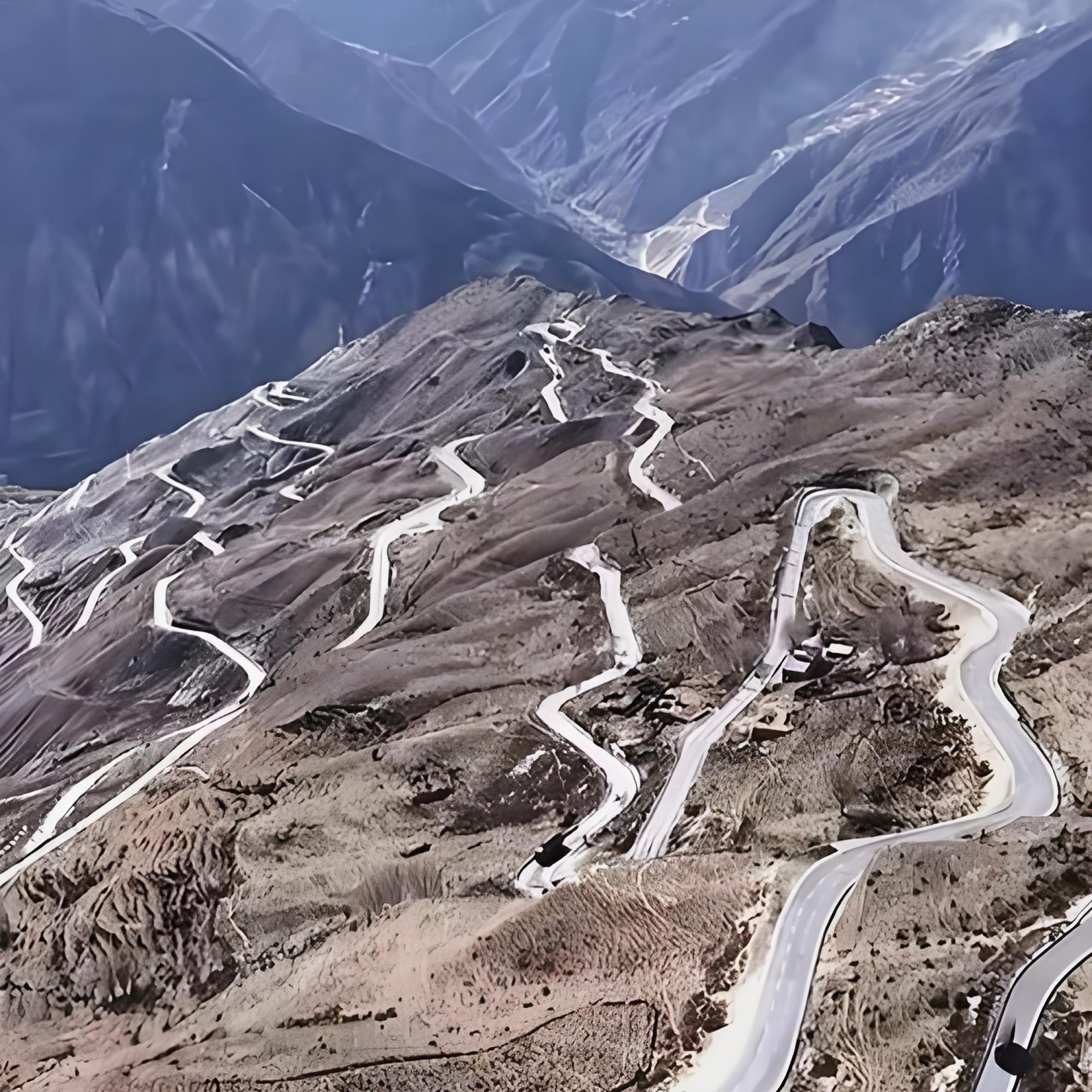
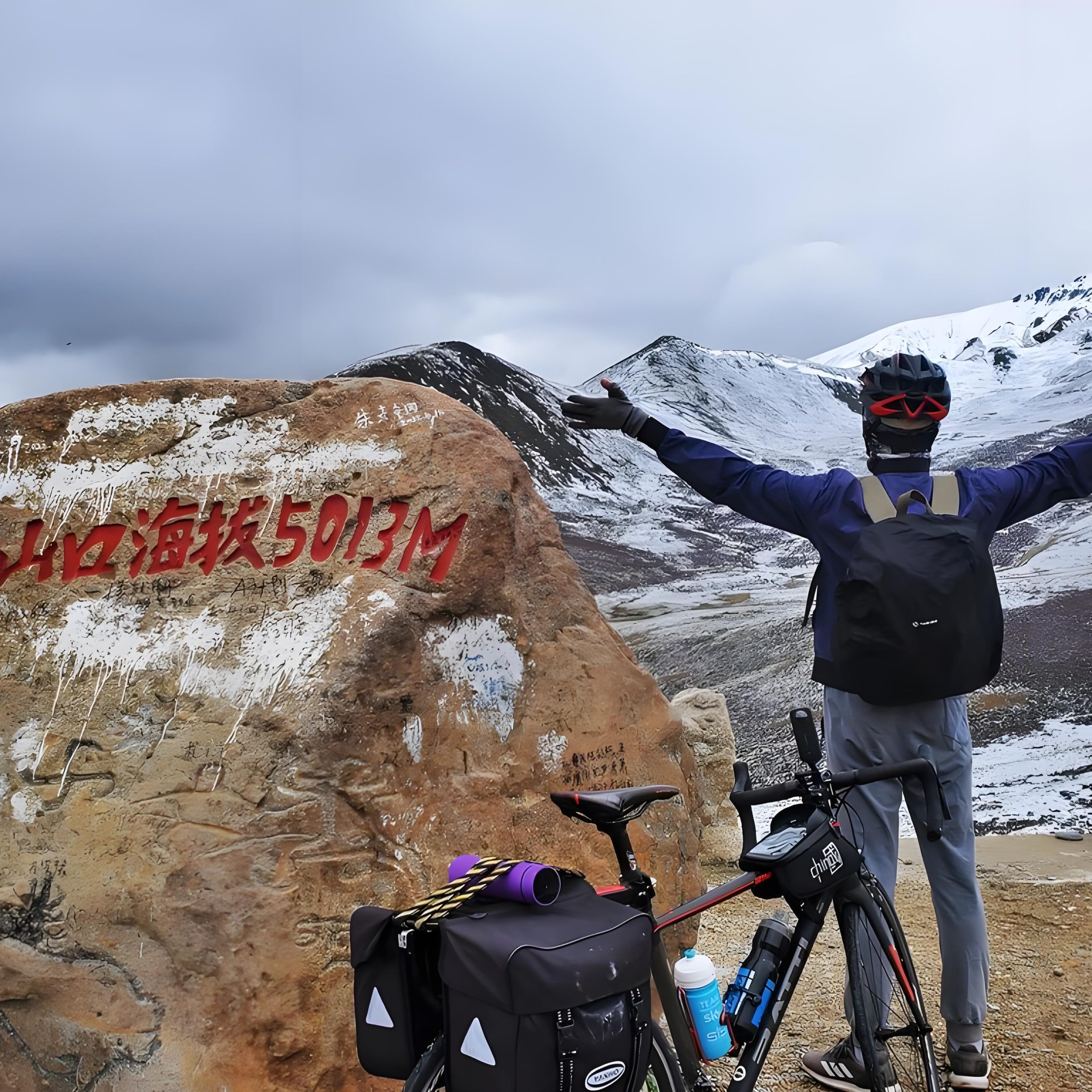
Summit the dramatic Yela Mountain Pass (4,658m)and be rewarded with the ride of a lifetime: the jaw-dropping, serpentine descent of the "72 Bends" into the deep, arid gorge of the Nujiang (Salween) River. It's pure adrenaline and awe.
A shorter but stunning climbing day brings you to one of the journey's most unforgettable sights: the serene, glacial-milk blue waters of Ranwu Lake, perfectly framed by snow-capped peaks and glaciers.
Feel the air thicken with oxygen as you plummet down the breathtaking Parong Canyon into the lush, green, almost subtropical forests of Bomi. The change in climate and scenery is dramatic and rejuvenating.
Continue through what feels like a Tibetan rainforest, following roaring rivers and passing under towering cliffs. The long ride to Lulangis challenging but immersed in some of the route's most unique and verdant landscapes.
Enjoy a blissful rest day in Lulang, a picturesque alpine village. Take short walks, breathe the fragrant pine air, and savor your last rest before the final approach.
One last great challenge: the climb over Seyila Pass. From the summit, on a clear day, you are granted a distant but magnificent view of the holy Namcha Barwa The final descent delivers you triumphantly to Nyingchi (Linzhi).
Relax and reflect as you are transferred by vehicle along the majestic Yarlung Tsangpo (Brahmaputra) River Valley. Your first glimpse of the Potala Palacerising over Lhasa will be an emotional crescendo to your cycling journey.
The expedition concludes. Transfer to the airport with a lifetime of memories, a profound sense of accomplishment, and the unbreakable bond of a shared journey across the Roof of the World.
This is a very challenging expedition, considered one of the world's ultimate cycling routes. It is not a beginner's tour. Participants must have extensive experience with long-distance cycling (80-120km/day) and significant hill climbing. Excellent cardiovascular fitness, muscular endurance, and mental stamina are essential. We recommend at least 3-6 months of targeted training, including regular long rides with heavy climbing, prior to departure.
Altitude is our primary challenge. Our itinerary is specifically designed to promote safe acclimatization:
Gradual Ascent:We start in Chengdu (500m) and stage our climbs, with key rest/acclimatization days in Kangding (2,600m), Batang (2,580m), and Lulang (2,000m).
Paced Itinerary:We avoid sleeping at drastically higher altitudes from one night to the next where possible.
Support & Strategy:Our guides are trained to recognize symptoms. We have oxygen available, and the itinerary includes strategic vehicle support to manage exertion at critical points. It is crucial to follow our guides' advice, hydrate excessively, and listen to your body.
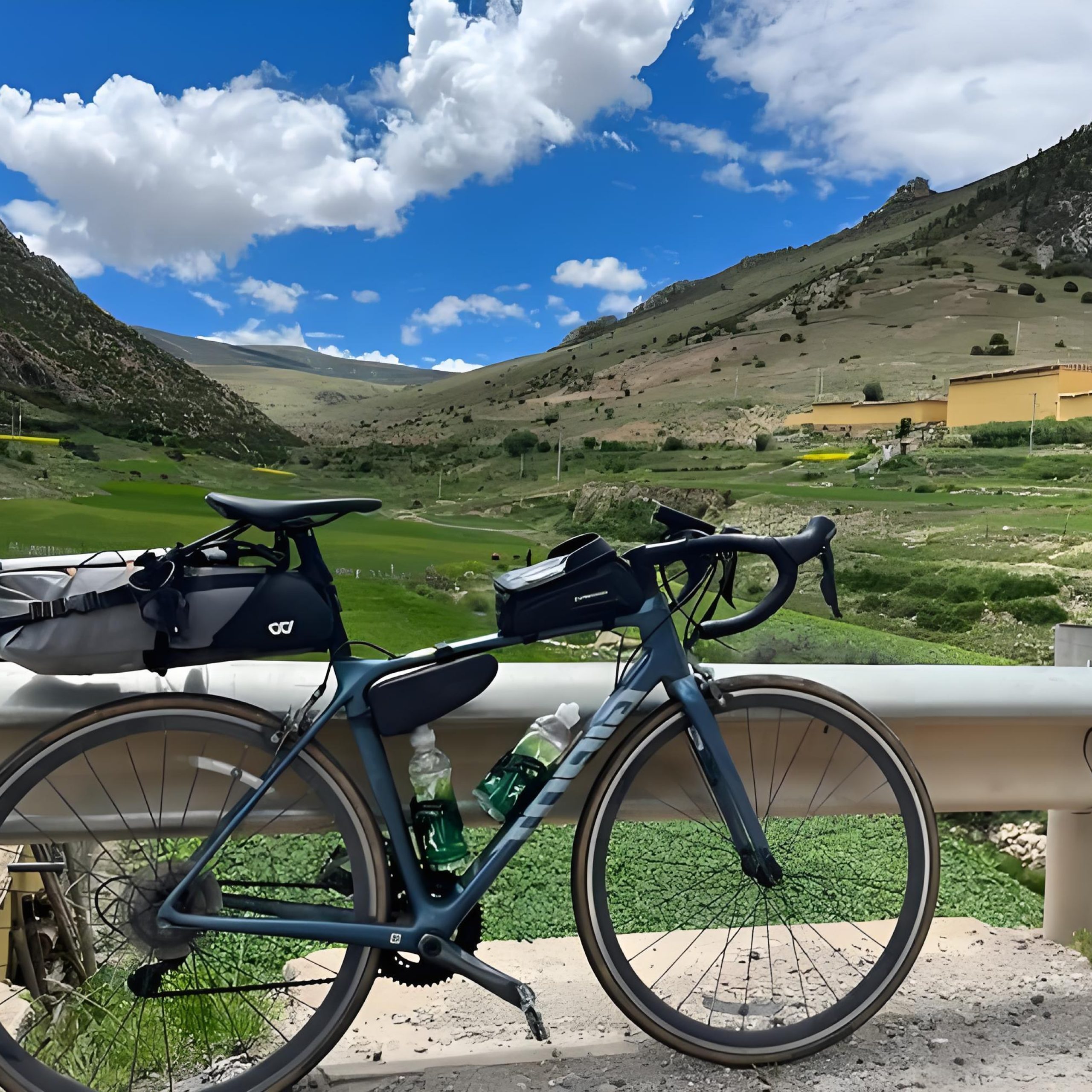
We provide mountain bik.. The road surface is mostly paved but can feature rough sections, potholes, and gravel. We recommend:
Tires:28mm-32mm width or wider for comfort and puncture resistance.
Gearing:Extremely low gears (e.g., a compact crankset with a cassette up to 34T or higher) are non-negotiable for the steep, sustained climbs.
Durability:Ensure your bike has been recently serviced. A professional pre-trip tune-up is strongly advised.
This is a fully supported expedition. You ride light and free.
Support Vehicle:A dedicated vehicle follows the group (or leapfrogs ahead), carrying all your luggage, spare parts, tools, water, snacks, and oxygen.
Mechanic & Guide:An experienced cycling guide and mechanic accompany the group.
Accommodation & Meals:All overnight stays, 3 meals are pre-arranged.
No shame and no problem. The support vehicle is always available for a lift. The goal is the overall experience and safe arrival in Lhasa. Many riders use the vehicle for a short break on the toughest days—this is common and expected.
All foreign travelers require a Chinese Tourist Visa and a separate Tibet Travel Permit (TTP). The TTP is organized by our local Tibetan partner agency. We will handle the TTP application, but you must provide clear passport scans and information well in advance. You cannot enter Tibet without this permit arranged through a licensed tour operator.
Weather is highly variable. Be prepared for everything: intense sun, cold rain, sleet, and even snow on high passes. Layering is key. The best riding season is generally May-June and September-October, avoiding the peak summer rain.
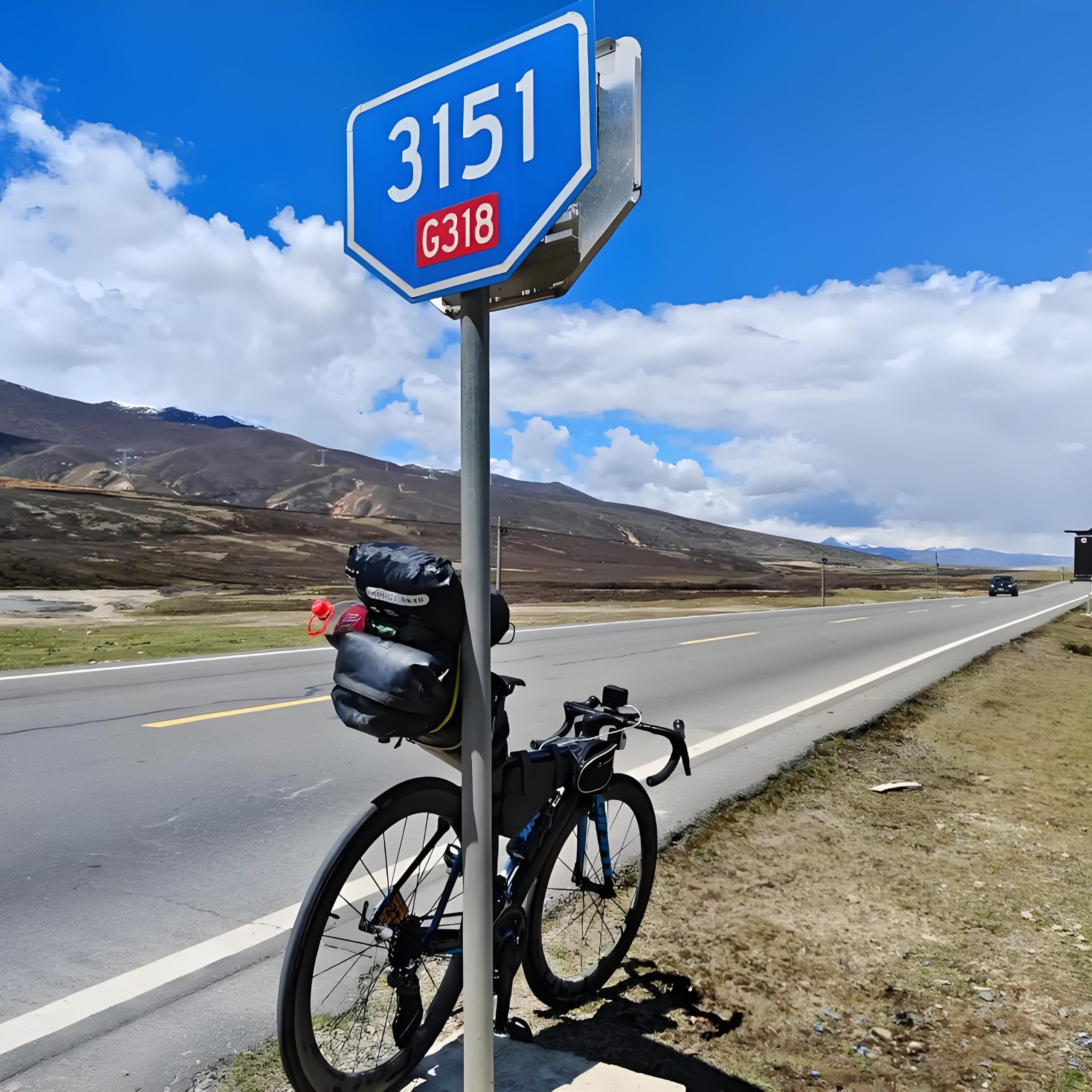
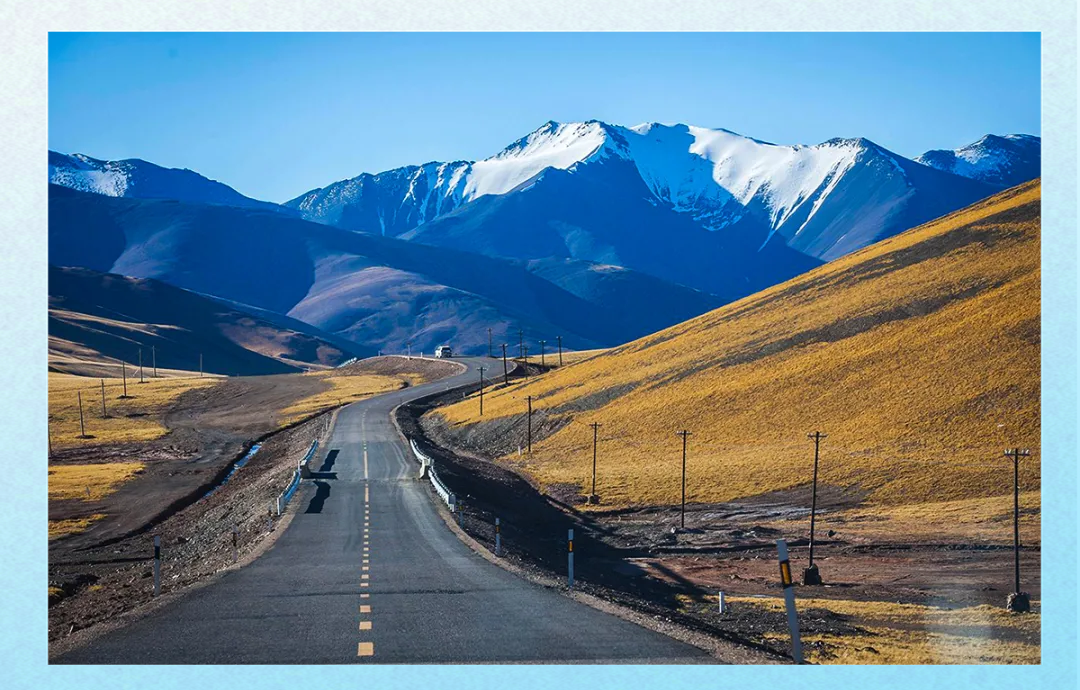
Road conditions on the G318 are mostly good asphalt but expect construction zones, occasional rough patches, and significant truck traffic in sections.
Our itinerary is thoughtfully designed based on deep experience:
Strategic Rest Days:In Batang and Lulang at optimal points for recovery.
Smart Support:The flexible "ride/transfer" model on Day 9 maximizes safety and enjoyment over the most demanding corridor.
Cultural Focus:We include two full days in Lhasa for proper immersion, rather than rushing through.
Small Group & Flexibility:We prioritize experience over rigid schedules, allowing the group to adapt to conditions and opportunities.
Absolutely. Your Chinese visa will be valid, and we can help advise on post-tour travel within China. Please inform us of your plans early. Note that independent travel in Tibet outside of Lhasa for foreigners still requires additional permits and guided arrangement.

Member Since 2025